A common misconception is that wallet security is mainly about choosing the right browser extension. The download matters, but it is only the first link in a longer security chain. A wallet can be installed from a legitimate source and still be used carelessly; conversely, a careful user can reduce risk substantially by understanding what a transaction will do before signing it. For DeFi users, the more important question is not simply “Is this wallet reputable?” but “Can I inspect the economic and technical consequences of this action before it becomes irreversible?”
That is where transaction simulation becomes useful. A simulation attempts to execute a proposed transaction against a representation of current blockchain state, allowing a wallet interface to show likely outcomes such as assets spent, tokens received, approvals created, or a transaction that would fail. It is not a guarantee and it does not replace judgment. It is better understood as a pre-flight check: valuable because it exposes many ordinary mistakes, limited because the blockchain environment can change and because some dangers are hidden in what the user is authorizing.
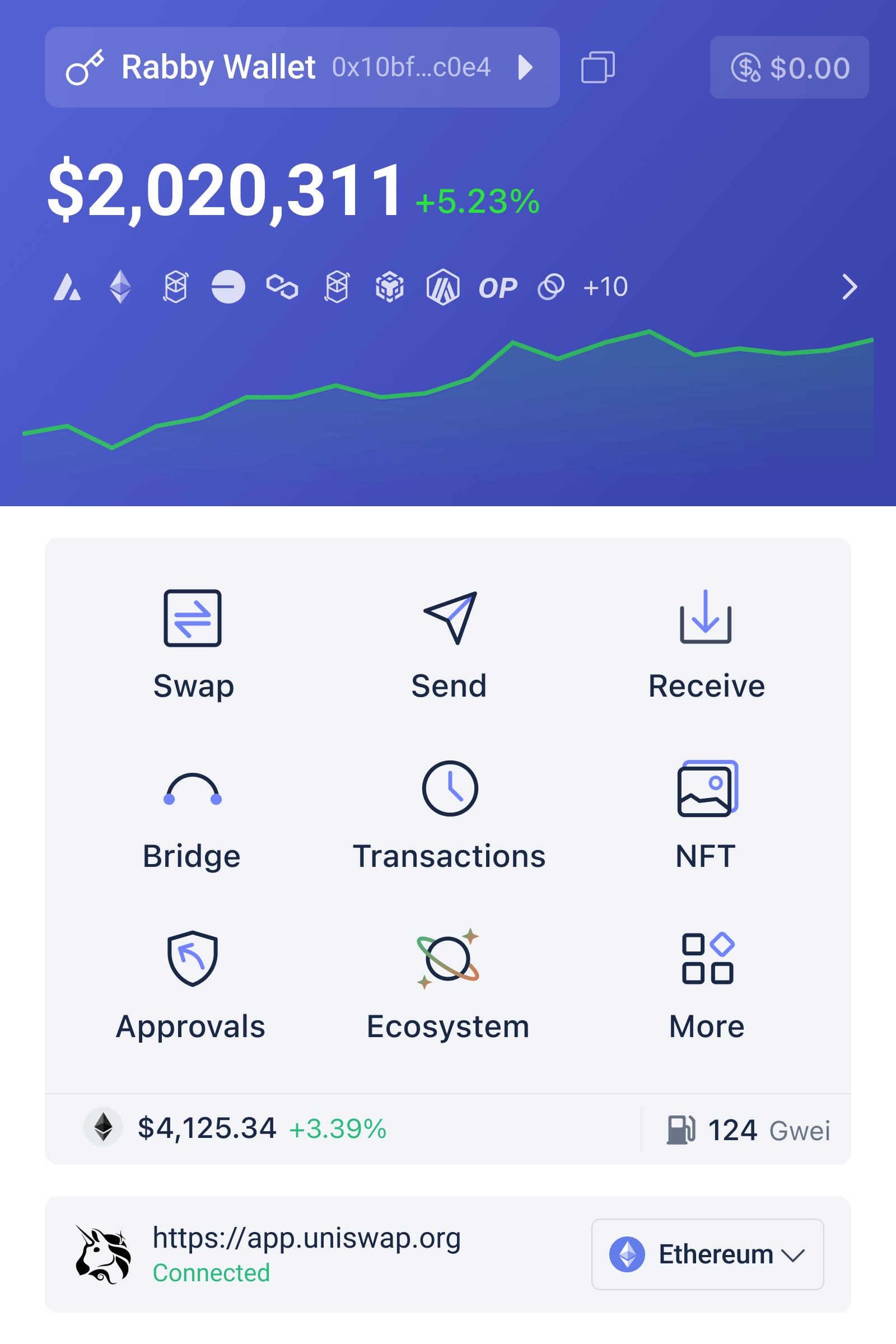
What transaction simulation actually tells you
On a technical level, a transaction is an instruction sent to a smart contract or blockchain account. In a token swap, for example, the transaction may call a decentralized exchange contract, transfer one asset, and request another asset in return. A simulation runs that call without committing it to the chain. The wallet can then estimate the resulting state change: which balances decrease, which balances increase, and whether the call reverts.
This creates a sharper mental model than the familiar “click approve, then swap” workflow. The wallet is not merely storing keys; it is acting as an interpreter between a human and contract code. A useful review asks three separate questions:
- What assets am I authorizing the contract to move?
- What assets does the simulated transaction suggest I will receive?
- What permissions or lasting state changes remain after this transaction finishes?
The third question is often the most important. A swap may appear to be a one-time trade, but an unlimited token approval can create a continuing permission for a contract to spend tokens later. The immediate simulation may show a plausible swap while the lasting approval deserves separate scrutiny. This is why transaction simulation should be treated as a state-change preview, not as a simple green light.
Simulation is particularly useful for catching address and network mistakes. A user intending to interact with a US-based DeFi portfolio on one network can accidentally select another chain, use the wrong token, or send assets to an incompatible contract. A preview that shows an unexpected asset leaving the wallet or no meaningful asset returning is a strong reason to stop. It can also expose transactions that fail before the user spends gas, although a successful simulation does not mean the transaction is economically sensible.
Where simulation improves wallet security—and where it breaks
The security benefit comes from reducing ambiguity. Many attacks succeed because the signing screen is treated as a technical formality. If a wallet displays only a contract address and a long hexadecimal data field, a user has little practical ability to connect the request with the intended action. A readable simulation turns some of that opaque data into an outcome that can be challenged: “Why is this contract requesting all of my tokens?” or “Why does this NFT transfer leave my account with nothing?”
Yet simulation has a boundary that is easy to miss: it is a forecast based on a particular state at a particular moment. Between simulation and inclusion, another transaction may change liquidity, balances, ownership, or contract configuration. A swap can receive less than expected because the market moves. A transaction can fail because a required condition changes. In highly competitive markets, the state observed during simulation may not be the state miners or validators use when the transaction is processed.
There is also a difference between execution risk and intent risk. Simulation is strongest at showing what a contract call is likely to execute. It is weaker at determining whether the contract itself is trustworthy, whether a token is economically valuable, or whether a protocol’s governance has introduced an unexpected rule. A malicious contract may simulate a superficially ordinary interaction while relying on a user to approve a dangerous permission, sign a separate message, or return later through an existing allowance.
Off-chain signatures illustrate this limitation. Not every dangerous wallet action is a conventional on-chain transaction. A user may be asked to sign a typed message for an order, permit, listing, or authorization. That signature can have consequences even though no gas-paying transaction occurs at the moment of signing. Transaction simulation cannot, by itself, answer every question about a message signature. Users must distinguish between signing a transaction that changes blockchain state and signing a message that grants another party authority to submit or use something later.
Other blind spots include poorly supported contracts, unusual token behavior, and interactions that depend on external systems. A token with transfer restrictions may behave differently from a standard token. A price feed may update. A protocol may depend on an oracle, a bridge, or a web service outside the chain. These are not reasons to abandon simulation; they are reasons to interpret it as one layer of evidence rather than a security certification.
Comparing the main ways to protect a DeFi wallet
A browser wallet with transaction simulation offers convenience and contextual review. It is usually close to the websites where users trade, lend, mint, or provide liquidity. That proximity reduces friction and can make transaction outcomes easier to understand. The trade-off is that a browser is a broad attack surface. A malicious website, a compromised browser profile, a fake extension, or a deceptive pop-up can still influence what the user sees or requests.
A basic browser wallet without rich simulation may be simpler and widely compatible, but it places more responsibility on the user. Contract addresses, calldata, token approvals, and network selection become harder to interpret. This approach can work for experienced users who independently inspect contracts and transactions, but it is a poor fit for anyone who routinely signs first and investigates later.
A hardware wallet changes the security model by keeping private-key operations in a separate device. That can reduce exposure if a computer is compromised, but it does not make an unsafe transaction safe. If the user approves a malicious contract, the hardware device may still authorize it. Hardware wallets can also add friction to frequent DeFi activity, and a user under time pressure may respond by skipping careful review. Physical key protection and transaction comprehension solve different problems.
Finally, manually checking a block explorer or protocol documentation can provide deeper context than a wallet preview. It may reveal contract history, verified code, prior transfers, and approval records. The cost is time and technical complexity, and explorer data itself is not a guarantee that a protocol is safe. The practical answer for many US DeFi users is layered security: use a reputable wallet interface for readable simulation, reserve a hardware wallet or separate vault for high-value holdings, and investigate unfamiliar contracts rather than relying on a single visual warning.
A safer installation and signing workflow
The installation stage is a supply-chain decision. Before using any rabby extension download resource, verify that the address is the one you intended to visit, compare the extension listing with the project’s known official channels, and avoid installing software delivered through unsolicited advertisements, direct messages, or look-alike domains. A real extension cannot protect funds if the installed software is a copy designed to capture a recovery phrase.
Never enter a seed phrase or private key into a website, support form, cloud document, or browser prompt claiming to “activate” a wallet. Treat the recovery phrase as the root credential. A password may protect the local installation, but it does not replace the need to store the recovery phrase offline and to understand that anyone who obtains it can generally control the associated assets.
After installation, begin with a low-value test rather than immediately connecting a wallet that holds an entire portfolio. Check the selected network, account address, and asset balances. When a transaction appears, read the simulated changes before looking at the expected profit or the urgency of the website. The most useful warning signs are not always dramatic. An unexpected approval, an unfamiliar spender, a high-value asset leaving without a clearly identified return, or a request that does not match the user’s stated goal should end the session.
Approvals deserve periodic maintenance. Users can revoke allowances they no longer need, but revocation itself is an on-chain transaction with a fee and must be reviewed like any other transaction. Limiting an approval can reduce potential loss if a contract is later compromised, although it may require repeated approvals and can create additional operational friction. There is no universally optimal setting: convenience, gas costs, and exposure are being traded against one another.
Separate accounts are another practical control. One account can hold long-term assets, another can interact with experimental applications, and a third can be used for testing. This does not eliminate risk if funds are later consolidated carelessly, but it limits the blast radius of an error. The key principle is compartmentalization: not every address needs to carry the same value or permissions.
What to watch as wallet interfaces evolve
The next meaningful improvement in wallet security is unlikely to come from a single warning banner. More useful interfaces would connect simulation with permission history, contract identity, message signing, and the user’s own stated intent. For example, a wallet could make a clearer distinction between a temporary trade and an approval that persists, or between an expected token transfer and a call that changes control of an account.
That direction remains conditional. Better explanations can reduce mistakes only if the underlying data is timely and the user is willing to pause. Attackers can adapt by designing transactions that look normal in isolation or by moving users into off-chain conversations where the wallet has less visibility. The signal worth watching is whether wallet tools become better at explaining authority and persistence, not merely whether they produce more warning colors.
The durable lesson is straightforward: downloading a wallet is an installation task, while securing DeFi activity is an interpretation task. Transaction simulation improves the interpretation layer by translating contract calls into likely consequences. Its value is greatest when paired with careful installation, limited permissions, account separation, and skepticism toward unfamiliar applications. Used that way, a wallet becomes more than a key holder. It becomes a decision aid—useful, imperfect, and safest when the person signing remains responsible for understanding what is being authorized.
Frequently asked questions
Does transaction simulation guarantee that a DeFi transaction is safe?
No. It can reveal likely execution results and detect some failures or unexpected asset movements, but it cannot guarantee that a contract is honest, that market conditions will remain stable, or that an off-chain signature is harmless. Treat the result as evidence for a decision, not as a safety certificate.
Is a hardware wallet safer than a browser extension for DeFi?
It protects private-key operations differently and can reduce the impact of malware on the computer, but it does not prevent a user from approving a malicious transaction. A hardware wallet is strongest when combined with readable transaction review and a separate account structure.
What should I check before signing a transaction?
Confirm the network, account, contract or application, assets leaving and entering, requested approvals, and whether the action creates a lasting permission. If the simulation does not match your intention, cancel the request and investigate before trying again.